










Welcome to the Capital City Cruisers Website!
Top Classic Cars: Iconic Models, Collector Favorites, and Show Standouts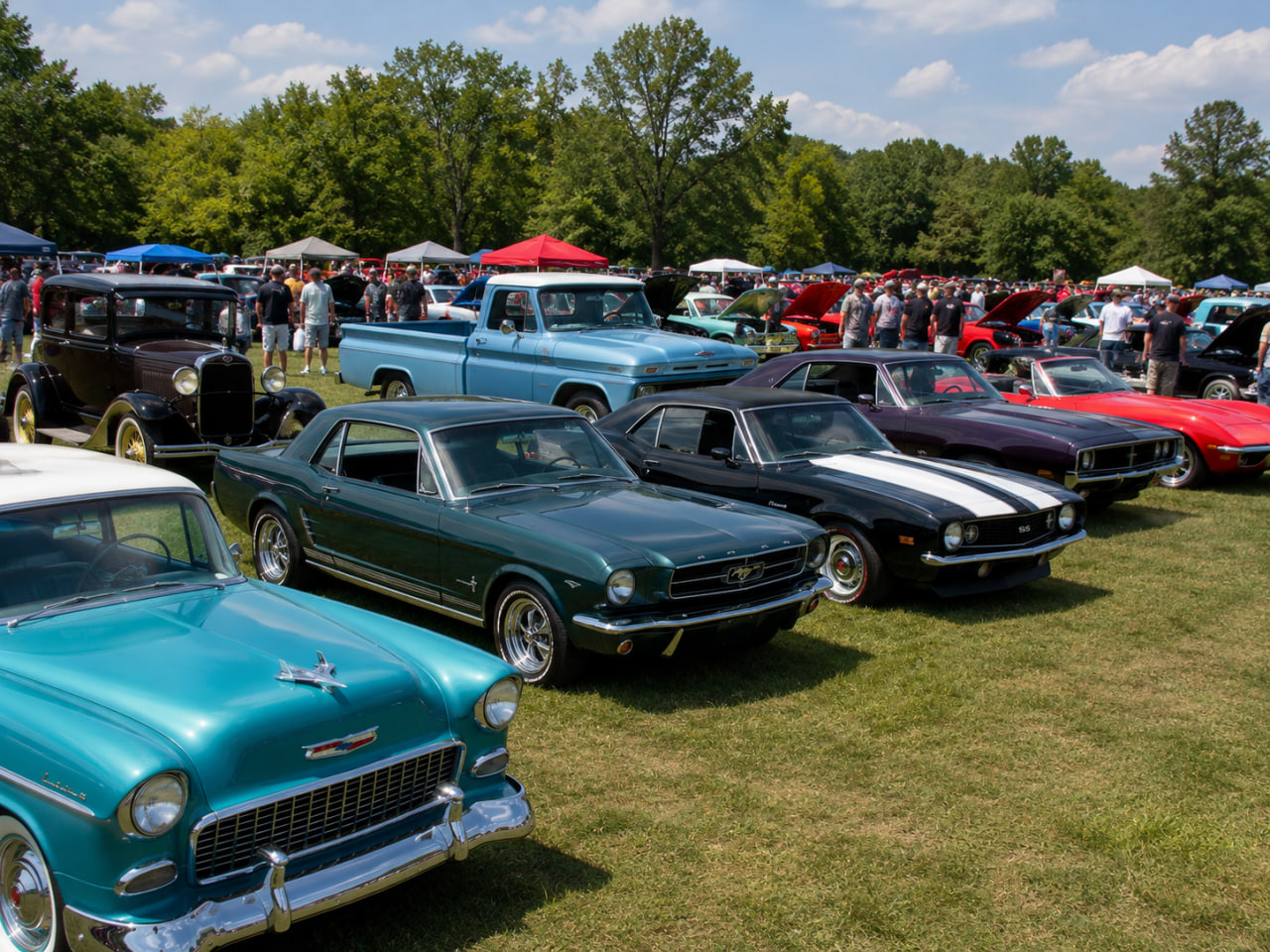
Top classic cars are not chosen only by price or rarity. A truly memorable classic has a mix of design, history, drivability, emotional value, parts support, owner passion, and show presence. Some cars win attention because of factory originality. Others become favorites because they are easy to tune, fun to cruise, or connected to a specific era of American car culture. At a classic car show, the best vehicles are often the ones that tell a clear story. A clean survivor, a restored family car, a sharp muscle car, a well-built pickup, or a tastefully modified cruiser can all stand out. The list below focuses on classic models that are widely recognized, enjoyable to display, and valuable for owners who care about community, cruising, and presentation. Top Classic Cars Worth Knowing
Classic Car Comparison TableEach classic has its own strengths. Some cars are best for originality, some for tuning, and some for show presence. The table below gives a practical look at why these cars remain popular with owners, visitors, and clubs.
How to Choose the Right Classic CarThe right classic car depends on what the owner wants to do with it. A collector may care most about originality, documentation, correct parts, and long-term value. A weekend driver may care more about comfort, reliability, cooling, brakes, and parts availability. A show builder may focus on paint, stance, interior, engine bay, trim, and a clean story that judges and visitors can understand. Before buying or building a classic, look at the condition first. Rust, missing trim, poor wiring, weak brakes, and incomplete interiors can become expensive quickly. A cheaper car can become more costly than a better example if it needs major metal work, rare parts, or a full mechanical rebuild. For many owners, the smartest classic is not the rarest car. It is the car they can maintain, drive, show, and enjoy.
A useful rule: choose a classic car by purpose first. Decide whether the car is for collecting, cruising, tuning, judging, family memories, or weekend shows. When the purpose is clear, the right model, budget, and upgrade path become easier to understand.
Stock, Restored, or Modified?Some top classic cars are most valuable when kept close to factory condition. Others become more enjoyable with upgrades such as better brakes, safer wiring, improved cooling, modern tires, suspension work, or mild engine tuning. The key is consistency. A stock restoration should look correct. A modified build should feel intentional. A tuned classic should be safer, cleaner, and more enjoyable without losing the character that made the car special. Owners planning upgrades should read our guide to classic car tuning. It explains how to think about safety, engine setup, suspension, wheels, stance, interior, and show preparation before spending money on parts. Why These Cars Do Well at ShowsClassic cars do well at shows when they are clean, complete, and easy to understand. A rare car can attract attention, but rarity alone does not guarantee a strong presentation. Judges and visitors often notice paint quality, body alignment, trim condition, glass, interior, engine bay, wheel fitment, and the owner’s display card. Even a common model can stand out when it is prepared carefully. For owners who want to understand show classes, awards, and scoring areas, the article on how classic car shows are judged is the next useful guide. It explains what judges usually look for and how owners can prepare a car before the event. What Visitors Should NoticeVisitors should look beyond the paint color. A top classic car often has small details that show real care: clean door jambs, polished trim, straight body lines, neat wiring, restored gauges, correct badges, tidy engine routing, and a display card that explains the story. At a good show, the best experience comes from walking slowly, reading the cards, talking with owners, and comparing different build styles. First-time visitors can also read what to expect at a classic car show. That guide explains arrival, car rows, etiquette, awards, visitor tips, and how to enjoy the event without missing the best details. FAQs About Top Classic CarsWhat makes a classic car one of the top choices?A top classic usually has strong design, history, owner community, parts support, show presence, and long-term appeal. It should be enjoyable to look at, maintain, drive, or display. Are muscle cars better than classic trucks?Not always. Muscle cars often attract performance fans, but classic trucks have become extremely popular because they are practical, stylish, and flexible for custom builds. Should I buy a restored classic or a project car?A restored car usually costs more upfront but may save time and repair stress. A project car can be rewarding, but rust, missing parts, paint work, and mechanical issues can make it expensive. Do modified classic cars do well at shows?Yes, if the modifications are clean, safe, and consistent. A modified car should fit its class and show a clear build direction instead of feeling like a random mix of parts. What is a good first classic car?A good first classic has available parts, simple mechanical systems, strong owner support, and manageable maintenance costs. Popular Mustangs, Camaros, C10s, F-100s, and similar models are often easier to own than rare cars.
Compare Insurance! Every Car Event...Everywhere! Hope to see you soon...Drive On! PinCoin |