










Welcome to the Capital City Cruisers Website!
What to Expect at a Classic Car Show: Visitor Guide, Cars, Awards, and Tips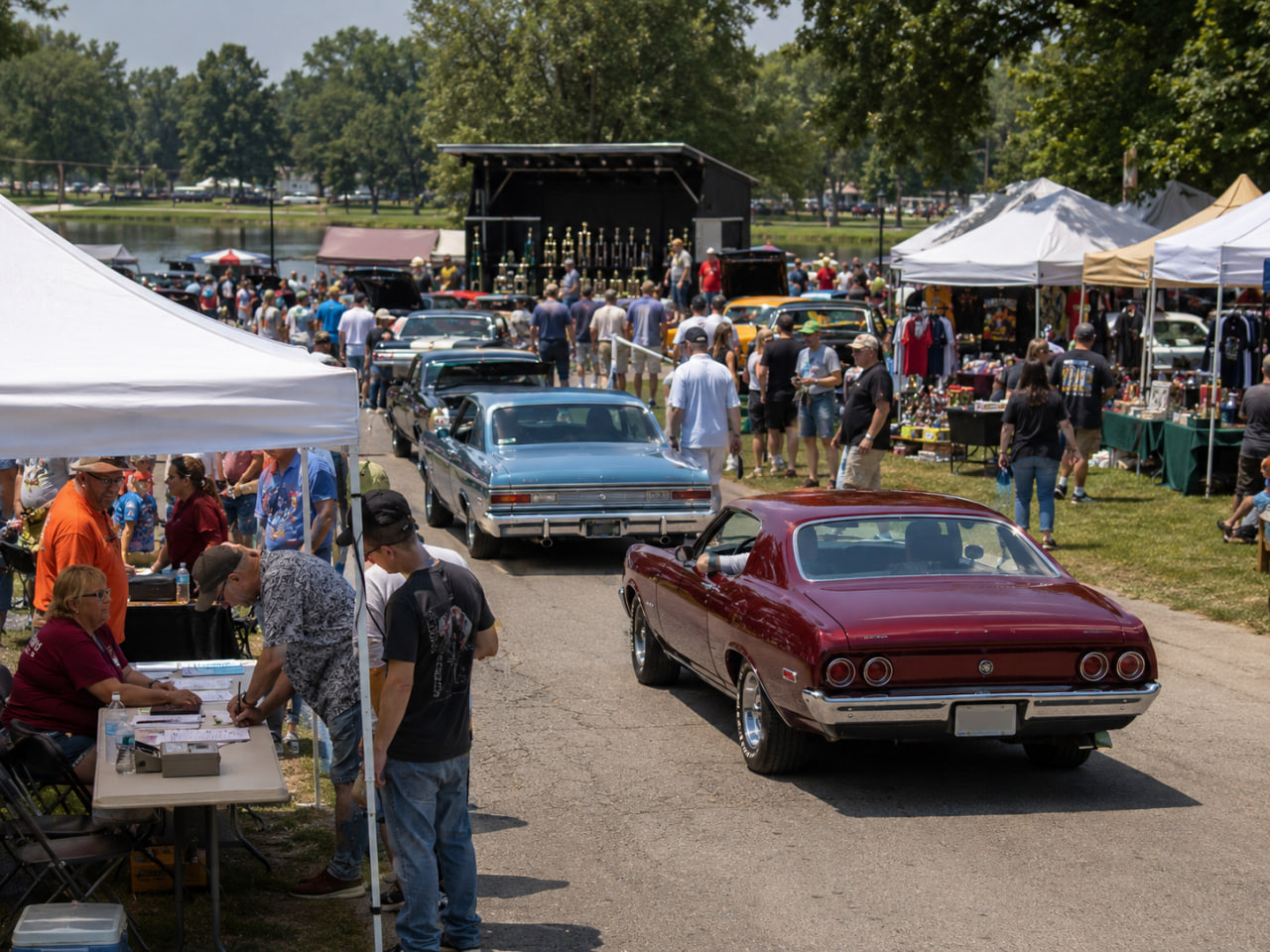
A classic car show is more than a parking lot full of old vehicles. It is a meeting place for owners, families, builders, collectors, clubs, and visitors who want to see automotive history up close. You can expect polished paint, open hoods, restored interiors, custom details, engine conversations, award judging, music, vendor areas, photos, and plenty of stories from people who built or preserved the cars. For first-time visitors, the best part of a classic car show is how accessible it feels. Many owners are happy to talk about the year, model, engine, restoration work, upgrades, and the story behind the car. Some cars are factory-correct restorations, some are tuned cruisers, some are hot rods, and others are long-term family projects. The variety is what makes the show interesting. Arrival and First ImpressionsMost shows begin early because registered cars need time to arrive, park, clean up, and prepare their display before visitors and judges walk the field. If you come in the morning, you may see owners wiping dust from paint, opening hoods, setting up display cards, checking tire shine, and organizing chairs or small signs. This is a good time for photos because the cars are fresh and the field is less crowded. Visitors should expect clear rows of cars, club groups parked together, registration tables, event volunteers, sponsor areas, food vendors, and announcements during the day. Some shows include raffles, music, merchandise, charity elements, toy runs, or special displays. The atmosphere is usually relaxed, but the cars should still be respected like private property. What You Will See on the Show FieldClassic car shows usually include several types of vehicles. Some are original survivors with factory details, while others are fully restored to look like they just left the showroom. You may also see modified classics with upgraded suspension, tuned engines, custom interiors, modern wheels, or improved brakes. Trucks, muscle cars, street rods, hot rods, convertibles, coupes, and specialty builds can all appear at the same event.
Classic Car Show EtiquetteGood etiquette makes the event better for everyone. Do not touch a car unless the owner clearly invites you to. Avoid resting bags, cameras, drinks, or hands on the vehicle. Keep children close around open doors, mirrors, bumpers, and ropes. If you want a photo, step back enough to avoid crowding the car. If an owner is busy cleaning, judging, or talking to event staff, wait for a better moment to ask questions.
How Owners Prepare Their CarsOwners usually prepare before show day. That can include washing, polishing, vacuuming, cleaning glass, wiping the engine bay, checking fluids, organizing paperwork, and preparing a display card. Some owners bring towels, detail spray, tire cleaner, basic tools, chairs, water, and a small kit for touch-ups. A clean and complete presentation helps the car stand out even when it is parked beside more expensive builds. Owners with modified cars should make the build easy to understand. A tuned classic should have a clear direction: clean cruiser, period hot rod, street machine, restored driver, or custom show car. Visitors and judges notice when the wheels, paint, stance, engine bay, interior, and overall finish all support the same idea. For more detail on build direction, read our guide to classic car tuning. Judging and AwardsNot every visitor realizes how much organization goes into awards. Cars are often separated into classes so similar vehicles are compared more fairly. A restored truck should not be judged exactly the same as a muscle car, a hot rod, or a modified street rod. Judges may look at condition, cleanliness, class fit, paint, engine bay, interior, documentation, and presentation.
A useful rule for visitors: the car that wins is not always the loudest, rarest, or most expensive. A clean, consistent, well-prepared vehicle that fits its class can make a stronger impression than a car with more money spent but less attention to detail.
People’s choice awards can feel different from judged awards because visitors may vote based on color, nostalgia, sound, stance, or personal taste. Formal judging is usually more structured. To understand this part of the event better, read our detailed article on how classic car shows are judged. What to Bring as a VisitorVisitors should bring comfortable shoes, water, sun protection, a camera or phone, and enough time to walk the field without rushing. If the show is outdoors, weather can change the experience quickly, so a hat, sunglasses, or light jacket may help. Bring cash if the event includes raffles, food vendors, donation tables, or merchandise stands. Most importantly, bring curiosity. The best conversations often begin with a simple question about the car’s story.
Final Tips for Enjoying the ShowTake your time and look beyond the obvious. A classic car show is full of small details: original badges, restored dashboards, hand-built engine bays, period-correct wheels, custom stitching, polished chrome, and stories from owners who spent years bringing a car back to life. Walk the rows once for first impressions, then come back to the cars that caught your attention. That second look is usually where you notice the best details.
Compare Insurance! Every Car Event...Everywhere! Hope to see you soon...Drive On! PinCoin |