











Welcome to the Capital City Cruisers Website!
How Classic Car Shows Are Judged: Awards, Classes, and What Owners Should Prepare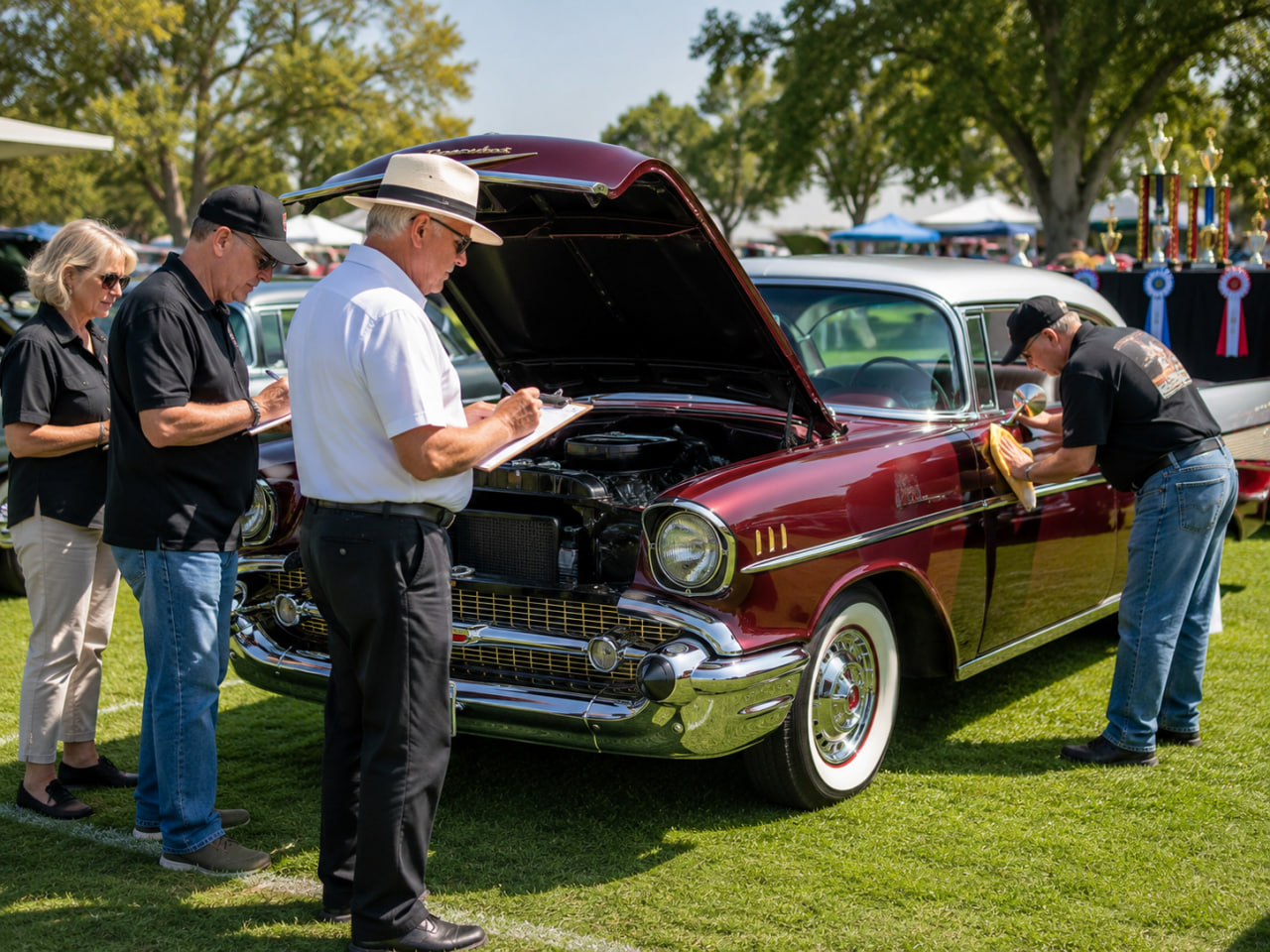 Classic car judging is not only about which vehicle looks the most expensive. A good show separates cars into fair classes, checks condition and presentation, and rewards the work that owners put into preserving or improving older vehicles. At local and regional shows, judging often combines visible condition, period-correct details, cleanliness, safety, owner preparation, and the quality of the display. That makes preparation just as important as the car itself. Most classic car shows use classes so a restored truck is not judged directly against a muscle car, hot rod, or street rod. Common class groups include original/restored cars, modified classics, hot rods, street rods, muscle cars, classic trucks, club entries, specialty builds, and sometimes year-based divisions. Some shows also include sponsor picks, people’s choice, best paint, best engine, best interior, best of show, and long-distance awards. Visitors who are new to the event can also use this judging guide together with our article about what to expect at a classic car show. That page explains the show field, visitor etiquette, arrival timing, and how to enjoy the cars without missing important details. What Judges Usually Look ForJudges usually start with the overall impression, then move closer to details. Paint should be clean and consistent, chrome should be polished, glass should be clear, trim should be aligned, and body panels should show careful fitment. Interior condition matters because worn seats, loose panels, dirty carpet, or unfinished wiring can lower the presentation. The engine bay is often checked for cleanliness, leaks, secure routing, and whether the setup matches the build style.
Awards, Classes, and Scoring AreasNot every show uses a public score sheet, but most judging follows a similar logic. Cars are grouped into classes first, then judges compare condition and presentation inside that class. Modified builds are normally judged differently from stock restorations. A stock car may gain value from correct parts and factory-style presentation, while a modified build may be rewarded for craftsmanship, safe upgrades, clean wiring, stance, paint quality, and how well the changes fit the car. If the build is modified, it is useful to understand classic car tuning before deciding how the car should be presented.
How Owners Should Think About ClassesThe right class matters because it affects what the judges compare your car against. A mostly factory-correct car should not be entered as a heavily modified build unless the show requires it. A car with upgraded wheels, suspension, paint changes, engine swaps, custom interior, or modern electronics may fit better in modified, custom, hot rod, or street rod classes. Entering the right class gives judges a fairer way to evaluate the work. For owners choosing what to build or restore next, our guide to top classic cars can help compare popular show models and collector favorites. A useful rule: prepare the car for the class, not just for the crowd. Spectators may notice color, sound, and stance first, but judges look for consistency. A clean, complete, well-documented car can score strongly even if it is not the rarest or most expensive vehicle on the field.
Final Preparation Before Show DayOwners should finish major cleaning before the event, then use show day for light touch-up. Pack microfiber towels, quick detailer, glass cleaner, tire gauge, water, a small tool kit, registration paperwork, and a display card. Check the route, fuel level, arrival time, and any rules about canopies, trailers, alcohol, pets, or vendor areas. When awards are announced, remember that judging is based on the event’s class structure and available time. A strong show car is clean, safe, complete, easy to understand, and presented with respect for the class it entered. More Classic Car ArticlesContinue through the club blog with the most useful guides for owners and visitors. These internal articles are connected by topic, so readers can move from judging and preparation into tuning, model selection, and what to expect at a show. 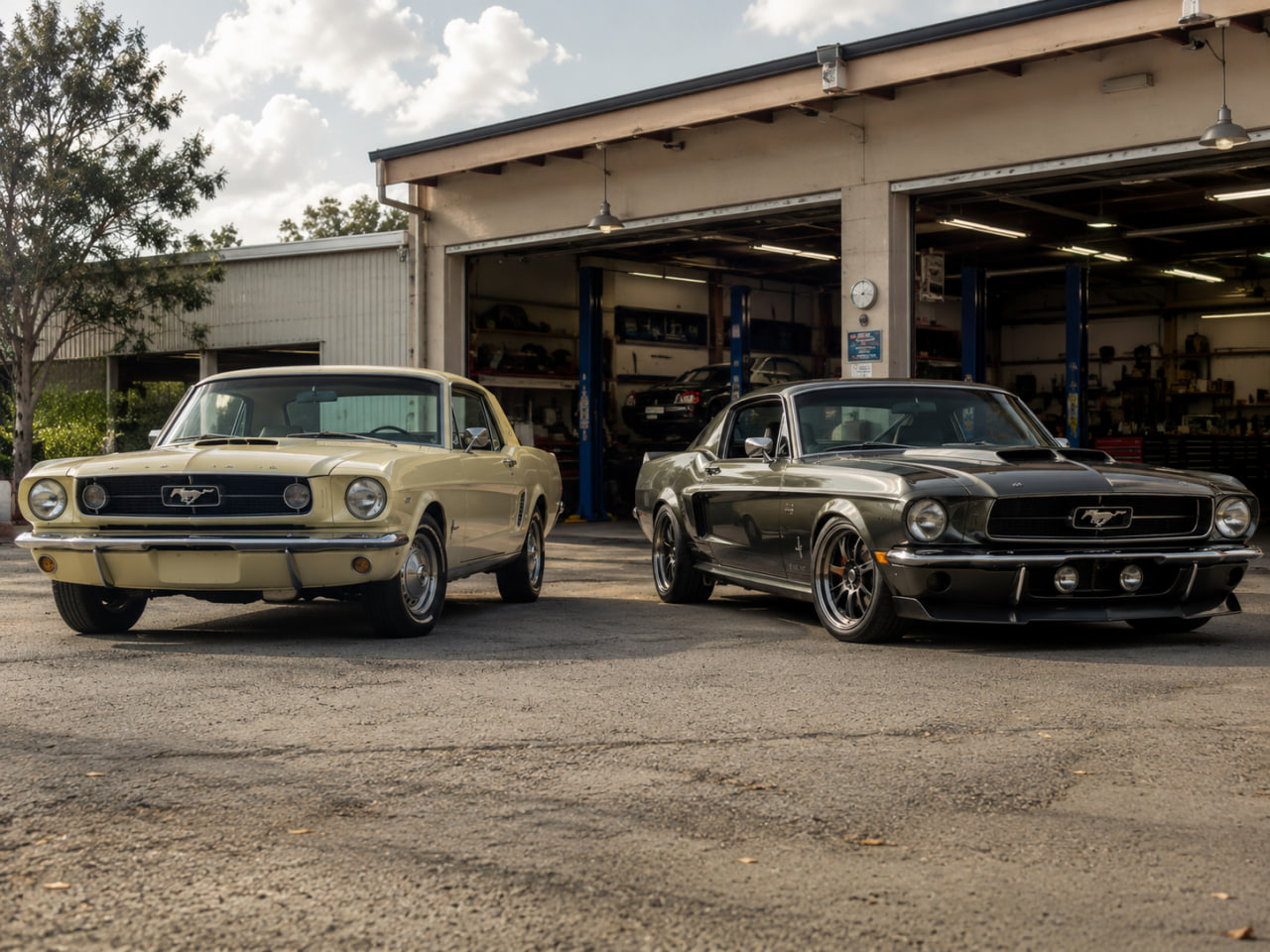
Classic Car TuningPractical advice on safe upgrades, engine setup, suspension, wheels, interior details, and building a classic that still feels right. Read More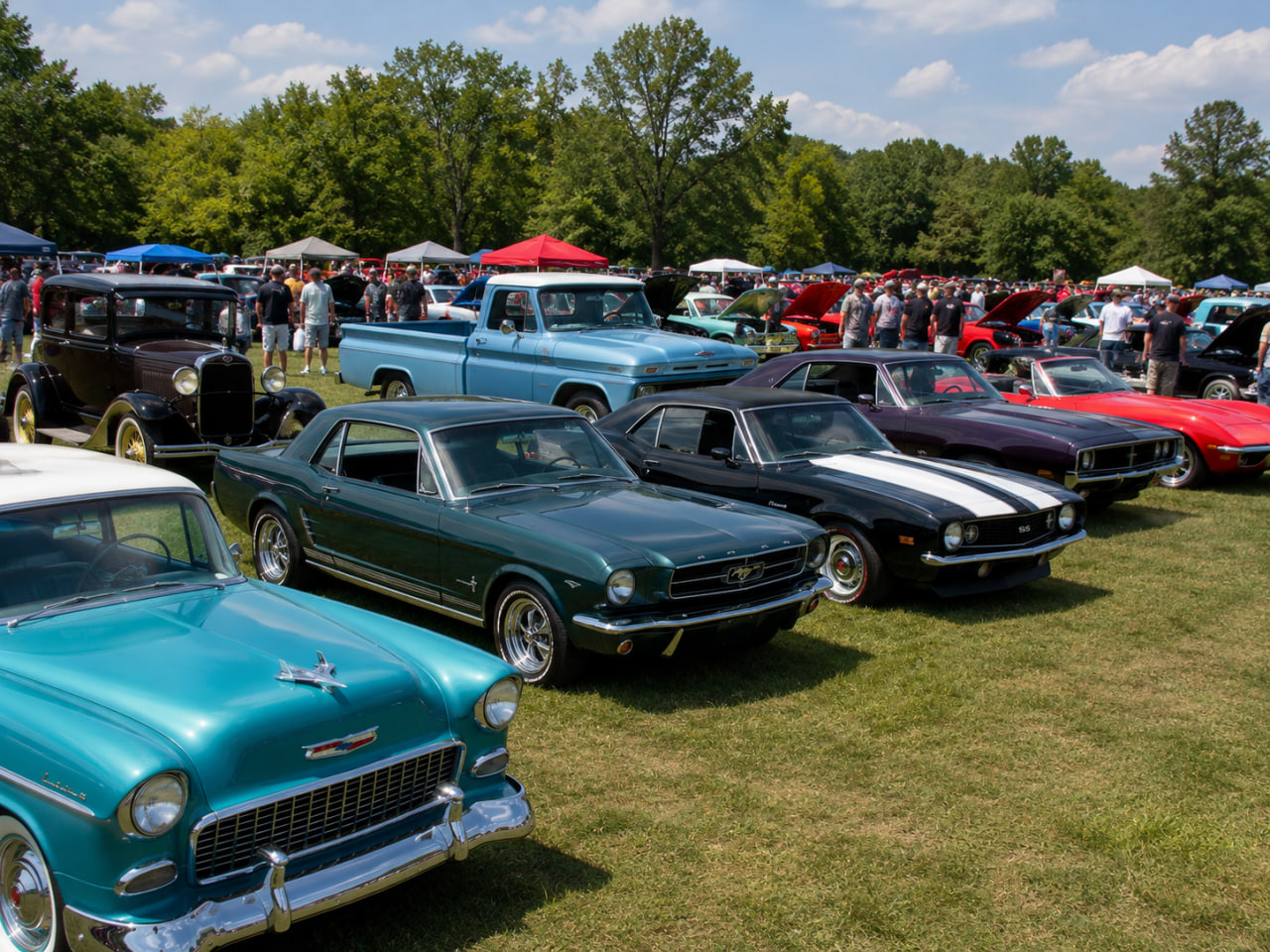
Top Classic CarsA helpful look at iconic models, collector favorites, show standouts, and how to choose a classic by purpose. Read More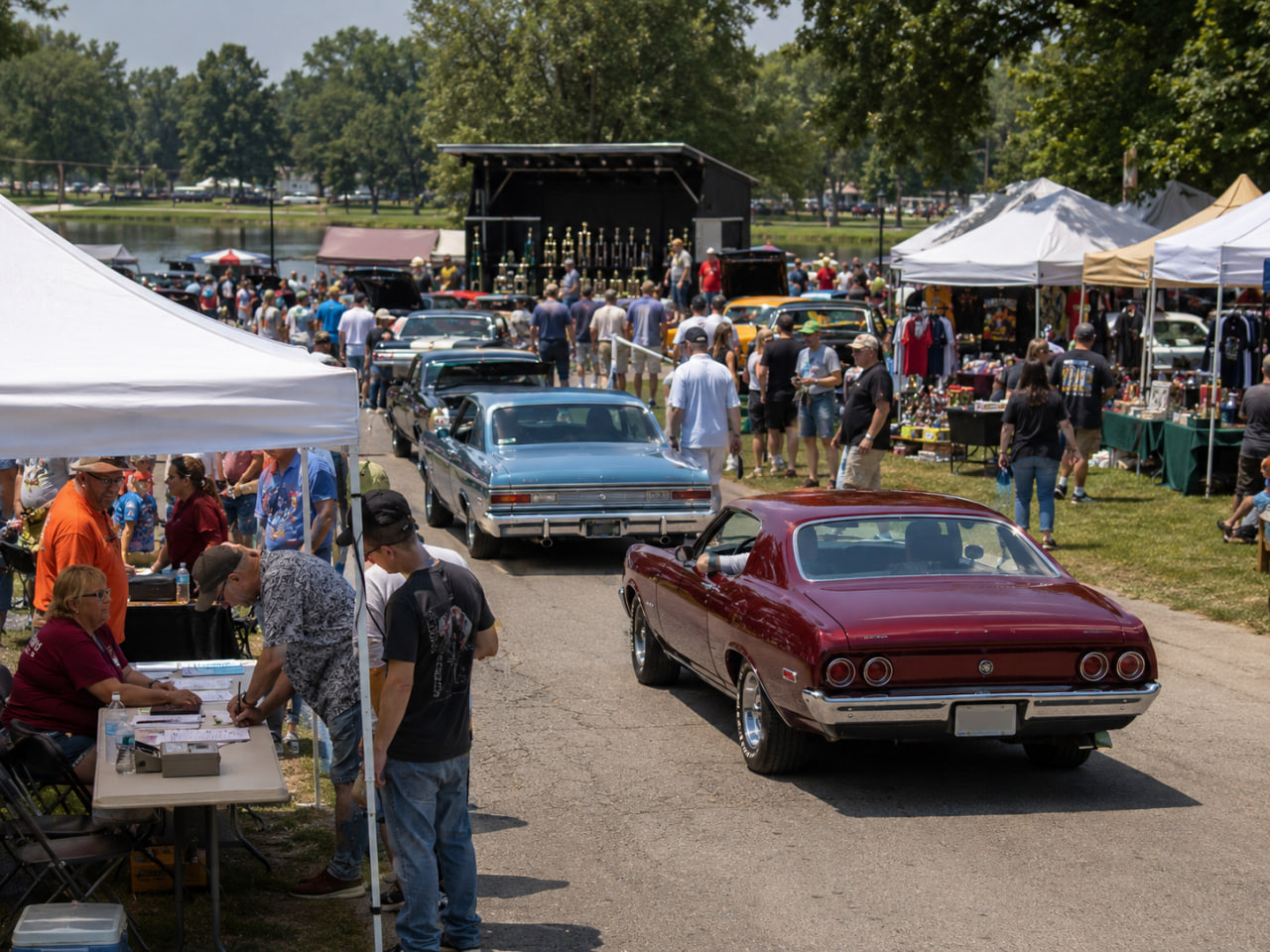
What to Expect at a Classic Car ShowA visitor-friendly guide to arrival, car rows, awards, etiquette, conversations with owners, and show-day planning. Read More
Compare Insurance! Every Car Event...Everywhere! Hope to see you soon...Drive On! PinCoin |